Digital business card etiquette in Sri Lanka: the unwritten rules
Tapping a card is new social territory. How to offer a tap politely, what to do when the other person has paper, and the follow-up habits that make digital networking feel gracious rather than gimmicky.
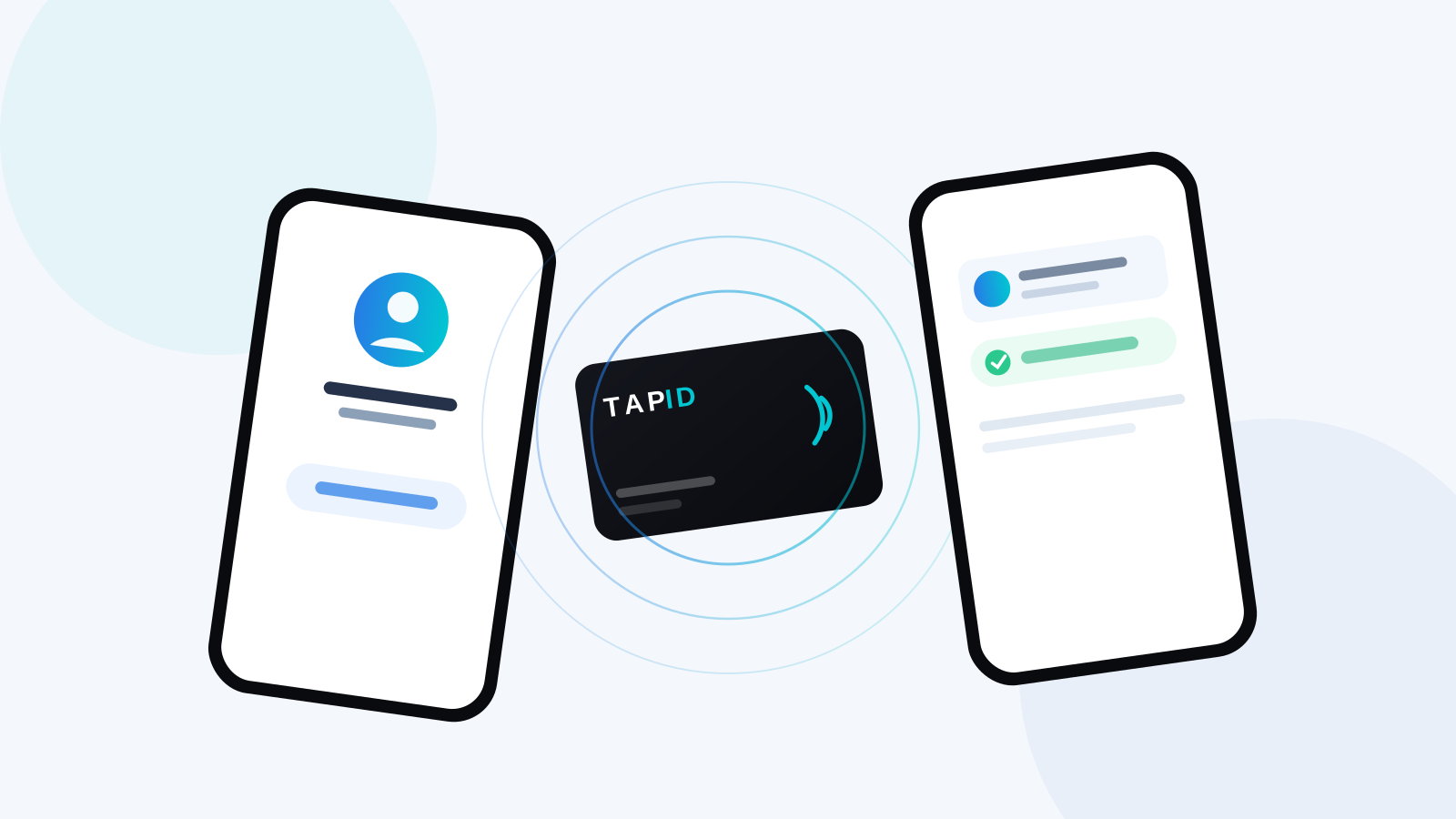
Every technology that touches a social ritual needs a new etiquette, and the business card exchange is one of the oldest rituals in professional life. In Sri Lanka it carries real weight: the two-handed offer, the moment spent actually reading the card, the small respect of not pocketing it instantly. So what happens to all of that when your card is a tap?
Good news: the courtesy survives. It just moves. Here are the unwritten rules we see forming across thousands of exchanges, written down.
How do you offer a tap without making it awkward?
Announce it in one warm sentence and let them do the tapping. "I'll share my card, just hold your phone near this" does all the work. The mistake is reaching for their phone or hovering your card over it uninvited; a phone is personal space in a way a hand never was. Offer the card the way you would offer paper, with the same two-handed presentation if the setting calls for it, and let their phone come to you.
When their profile pops up, give them the same beat of attention the old ritual demanded. The polite pause while they look at your profile is the new version of reading the card. Rushing past it to your pitch undoes the grace of the moment.
What do you do when they hand you a paper card?
Receive it with full traditional courtesy, then ask permission to scan it. Take the card with both hands, read it properly, say something about it. Then: "Let me save this properly so I don't lose you," and scan it into your app while they watch. Nobody has ever been offended by someone taking visible care not to lose their details. What does offend is the card vanishing into a pocket mid-sentence, and that was true long before phones.
Whether you keep the paper afterwards is situational. At a small meeting, keep it through the conversation at least. At an expo where they are handing out hundreds, most givers are relieved when you scan and return it.
Is it rude to say "just find me on LinkedIn"?
It puts homework on the other person, which is the opposite of hospitality. Sending someone away to search your name, among a dozen people with the same name, and to guess which profile photo is you, converts a warm moment into a task most people will not do by tomorrow. If LinkedIn is your channel, share it as a tap or a QR so the connection happens while you are still standing together. The moment of the meeting is the whole asset; do not spend it writing IOUs.
The same logic applies in reverse: when someone says it to you, rescue the moment. "Show me your LinkedIn QR, I'll grab it now" closes the loop on the spot.
What are the follow-up manners after a digital exchange?
The same as they ever were, only now you have no excuse. The contact is in your inbox with a note about where you met, so the 48-hour follow-up rule has lost its last alibi. A short message that proves you remember the actual conversation beats a generic "nice to meet you" every time.
Dr. Ivan Misner, the founder of BNI and probably the most quoted voice in professional networking, teaches that networking "is more about farming than it is about hunting". The tap is the planting; the relationship grows in the follow-up. His writing at ivanmisner.com is worth a regular read for anyone who networks seriously, and everything a digital card does well exists to serve exactly the patient, relationship-first networking he has argued for across four decades.
One new courtesy the technology enables: when you scan someone into your contacts, send them your card in return. TapID does this with one toggle, emailing your profile to a contact you captured, so the exchange is mutual even though they did the giving. Think of it as the digital version of never receiving a card without offering yours.
Does a digital card ever look like showing off?
Only if you make the technology the topic. The tap should be the least remarkable part of the exchange: offer, tap, done, and back to the human conversation. Explaining the chip, narrating the platform, or visibly enjoying the gadget moment turns a courtesy into a demo. The professionals who do this best treat the card the way they treat a good watch. It is simply what they carry, and it speaks for itself.
The one place where a little theatre is welcome: senior figures who receive dozens of paper cards a week often love the moment their phone catches your profile. Let the technology land its own impression. It does not need a narrator.
The bottom line
Etiquette was never about paper. It was about attention, respect, and completing the exchange gracefully, and digital cards serve all three better than paper ever did when they are used with the same warmth. Offer gently, receive traditionally, capture visibly, reciprocate always, and follow up while the handshake is still warm.
Ready to network smarter?
Create your free TapID profile in minutes, or pick a card that makes your next introduction unforgettable.